


How to Choose Wall Art – A Practical Guide to Finding the Right Piece
An interior is made up of many elements, yet walls often define the overall mood of a space. Furniture, lighting and textiles shape functionality, but walls act as the backdrop that brings everything together.
Wall art is one of the simplest ways to shape that backdrop. A well-chosen piece can transform the atmosphere, add depth and introduce personality. A randomly selected artwork, however, may feel out of place or simply fade into the background.
Choosing wall art is therefore not just about taste. It is about finding balance between scale, colour, light and the overall character of the interior.
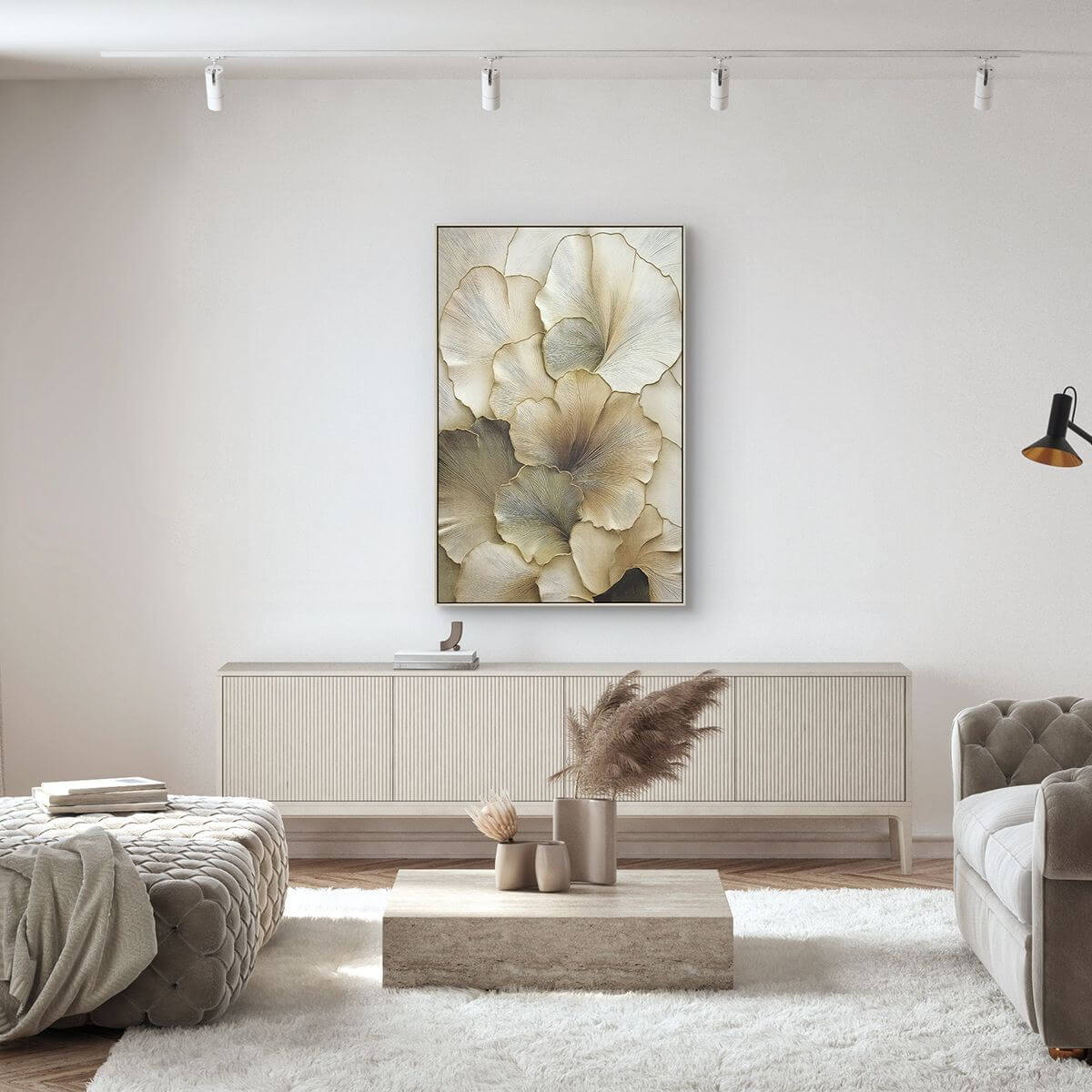
Below are some key principles to consider, ensuring that wall art becomes a natural part of a thoughtfully designed space.
Start with the Role of the Room
Every space has its own purpose and character, and wall art should reflect that.
The living room is typically the most social area of a home. It is where people gather, and the interior can afford to be slightly more expressive. Larger artworks or compositions are often preferred here, acting as a focal point. Positioned above a sofa, art can visually connect furniture, colour schemes and lighting.
In the bedroom, the atmosphere is usually calmer. Softer tones, minimalist graphics or nature-inspired motifs work well. Here, art does not need to dominate but rather support a sense of balance and tranquility.
In a home office or workspace, the environment should support concentration. Overly intense visuals may distract, while clean, geometric or minimalist compositions help maintain focus.
Understanding the role of the room provides a strong starting point before deciding on style or colour.
The Right Size Creates Balance
One of the most common mistakes when choosing wall art is scale.
A piece that is too small can disappear on a large wall, while oversized art may overwhelm the space.
A simple rule of thumb is that artwork should be roughly two-thirds the width of the furniture it hangs above.
For example, when placed above a sofa, the artwork should typically be about 60–75% of its width. This proportion creates a balanced and harmonious composition.
A large wall with a single small piece may feel incomplete. In such cases, either a large-format artwork or a curated arrangement of multiple pieces works better.
One Statement Piece or a Gallery Wall
There are two main approaches to displaying wall art.
01 The artwork should be about two-thirds the width of the piece of furniture.
02 Above the sofa, the artwork should be approximately 60–75% of the sofa’s width.
03 A large wall with a single small picture can make the space feel unfinished.
04 Large-scale artwork or a composition of multiple pieces fills the space more naturally.
One option is to choose a single, larger artwork that acts as the focal point. This creates a calm and refined look, particularly suited to minimalist interiors.
The alternative is a gallery wall, where multiple smaller pieces form a cohesive composition. This approach allows for combining different styles, images, graphics or photography, resulting in a more personal and layered expression.
A gallery wall can feel dynamic and playful but requires thoughtful planning. The composition should remain visually balanced, and the pieces should relate to one another.
In Nordic interiors, the preference often leans towards fewer elements and larger artworks, maintaining a sense of calm.
The Role of Colour in Wall Art
Wall art does not need to match the interior exactly, but it should relate to it in some way.
Using a similar colour palette creates a soft and harmonious look.
On the other hand, art can also introduce contrast. In a neutral interior, a bold artwork can bring energy and visual interest.
2/3
THE OPTIMAL PROPORTION BETWEEN FURNITURE AND ARTWORK WIDTH
1–3
PIECES ON A GALLERY WALL CREATE THE BEST BALANCE
Neutral pieces, such as black-and-white compositions, minimalist graphics or abstract textures, tend to work across a wide range of interiors.
Ultimately, art should not compete with the space, but complement it.
Light and Its Influence on Art
The impact of light on art is often underestimated.
Natural light changes the appearance of colours and contrasts throughout the day. Daylight tends to be softer, while artificial lighting in the evening can create stronger shadows.
If artwork plays a central role in the interior, it is worth considering how it is lit. Wall-mounted or directional lighting can enhance the piece and maintain its presence even in darker conditions.
Light allows art to evolve with the space and reveal different nuances over time.
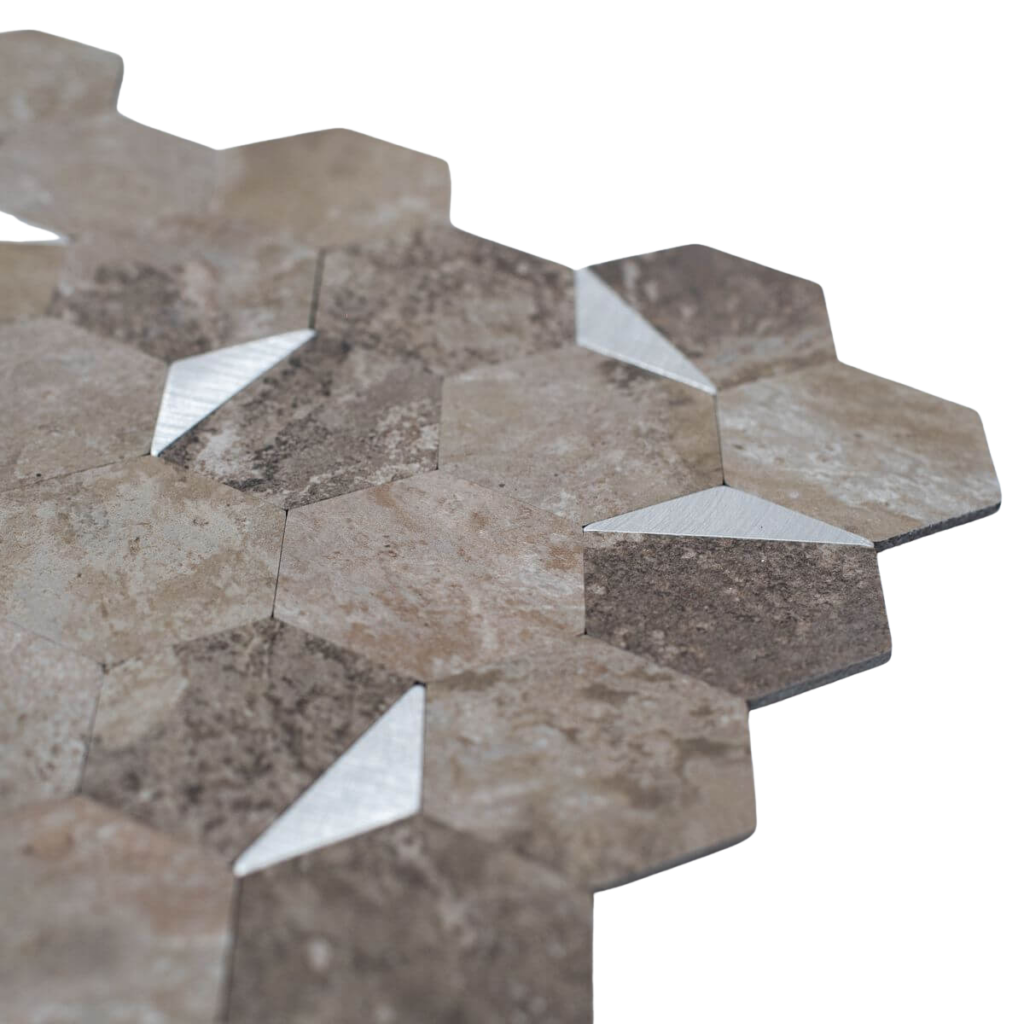
Combining Art and Decorative Wall Panels
Wall art and decorative wall panels are not opposites — they can complement each other beautifully.
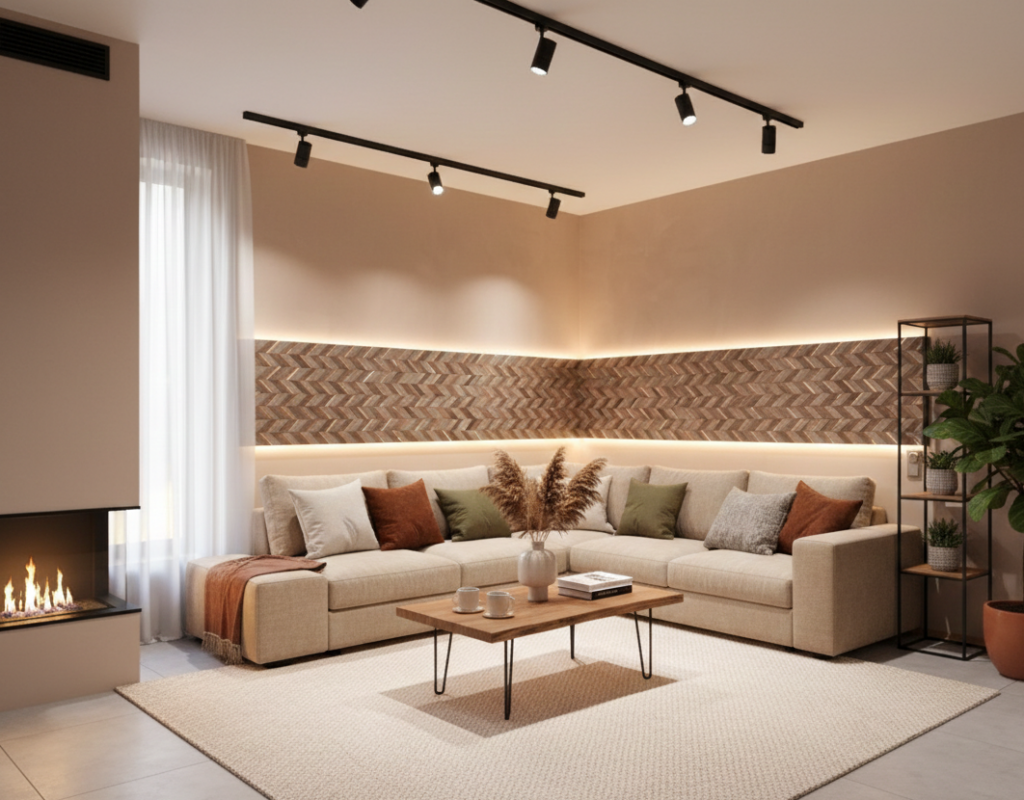
A textured wall adds depth, while art introduces personality. For example, one wall can feature decorative panels, while another is dedicated to artwork.
This combination works particularly well in Nordic interiors, where every element is intentional.
While panels establish structure and rhythm, artwork contributes on a more emotional level.
The Value of Empty Space
There is often a tendency to feel that every wall needs to be filled. In reality, interiors also need visual breathing space.
An empty wall does not necessarily mean the space is unfinished. On the contrary, it can highlight other elements such as furniture or lighting.
Not every wall requires art. A more restrained approach often results in a cleaner, more refined interior.
Art as a Timeless Element
Interior trends evolve, but certain forms of art remain timeless.
Timeless wall art is not driven by short-lived trends. It typically features balanced composition, clear form and a calm colour palette.
Minimalist art is one reason why Scandinavian interiors often feel enduring. It pairs well with a variety of materials and furnishings without becoming visually overwhelming.
If the goal is a lasting interior, it is worth choosing art that goes beyond trends.
The Nordih Approach to Wall Art
The Nordih wall art collection is curated with the idea that art should be more than decoration.
A well-chosen piece creates visual rhythm and connects different elements within a space. Minimalist forms and balanced compositions allow the artwork to blend seamlessly into both contemporary and more classic interiors.
Wall art is not just a finishing touch — it is what defines focus and adds identity to a space.
When scale, proportion, color and light are aligned, art becomes a natural part of the interior and retains its relevance over time.
Explore the Nordih collection
Well-chosen wall art becomes the focal point of a space, tying the interior together and adding the perfect finishing touch.
Thoughtfully chosen wall art acts as a focal point that ties the entire interior together.
Discover Nordih wall art
Explore the full collection
Find inspiration